Shipping freight from the US to Canada is one of the most active and strategically important trade corridors in North America. As the United States’ second-largest trading partner, Canada imported approximately $336.5 billion in US goods in 2025. Businesses rely heavily on cross-border trucking services to move goods efficiently across this route.
However, cross-border logistics is not just an extension of domestic shipping. It introduces regulatory complexity, customs clearance requirements, and cost variables that can quickly disrupt operations if not handled correctly.
This guide explains how to handle shipping freight from the US to Canada step by step, covering documentation, duties, transportation methods, and cost control strategies.
Market and Consumer Landscape
Strong Demand for USA Goods
Canada is a highly receptive market for American businesses. A significant share of Canadian consumers actively purchase from U.S. retailers, making shipping from the U.S. to Canada a consistent growth channel for both e-commerce and B2B brands. This demand is a key reason why cross-border trucking services dominate freight movement between the two countries.
Geographic Realities
The logistics landscape is uneven:
This directly impacts freight from the US to Canada, particularly in last-mile delivery, transit time, and operational complexity.
Regulatory Environment and Trade Agreements
USMCA and Duty Advantages
For businesses handling freight shipping from the US to Canada, the USMCA agreement remains the single most important cost advantage.
If your goods qualify under USMCA rules of origin, they can move duty-free across the border. If not, they are subject to standard tariffs and additional import costs.
What actually matters:
Incoterms Strategy
|
Incoterm |
Who Pays Duties |
Seller Control |
When to Use |
|
DAP |
Buyer |
Low |
B2B, cost-sensitive shipments |
|
DDP |
Seller |
High |
eCommerce, customer-first brands |
Incoterms define who controls the shipment and who pays at each stage. For shipping freight to Canada from the US, the real decision is between:
Customs Systems and Compliance
Two primary authorities control cross-border shipping and compliance:
U.S. Customs and Border Protection (CBP)
Canada Border Services Agency (CBSA)
Each freight shipment from the US to Canada must pass through formal customs clearance. Most delays are not system-related. They come from poor documentation. The common failure points are:
If the paperwork is clean, clearance is predictable.
Pre-Clearance Systems
Modern cross-border trucking services depend on pre-clearance systems to reduce border delays:
These systems allow shipment data to be submitted and reviewed before the truck reaches the border. To avoid delays:
If these steps are missed, the shipment waits.
Documentation Requirements

This is where most failures in cross-border shipping occur.
Every shipment under cross-border shipping to Canada from the US must include a complete and consistent set of documents. Missing or mismatched information is the fastest way to trigger delays at the border.
Core documents include:
Each document must align. Even small discrepancies between the invoice, BOL, or product details can delay or block clearance.
Duties, Taxes, and Landed Cost
De Minimis Threshold
The de minimis threshold is the value below which goods can be imported without incurring duties and taxes. This directly impacts pricing for businesses handling freight shipping from the US to Canada, especially for low-value shipments.
|
Country |
Duty Threshold |
Tax (VAT/GST) Threshold |
Key Note |
|
United States |
$800 USD |
Varies by State |
High threshold. Most low-value imports enter duty-free. |
|
Canada (USMCA) |
$150 CAD |
$40 CAD |
Low threshold. Most shipments are subject to duties or taxes. |
Because of this difference, most shipments entering Canada trigger GST, HST, or duties, increasing the total landed cost.
HS Code Accuracy
The HS code is a standardized method of classifying goods used by customs authorities to determine duties and taxes. You can find the correct HS code at the Government of Canada or the U.S. International Trade Commission tools.
Incorrect classification leads to:
For cross-border trucking services, HS code accuracy directly affects both cost and clearance speed.
Transportation Modes and Selection
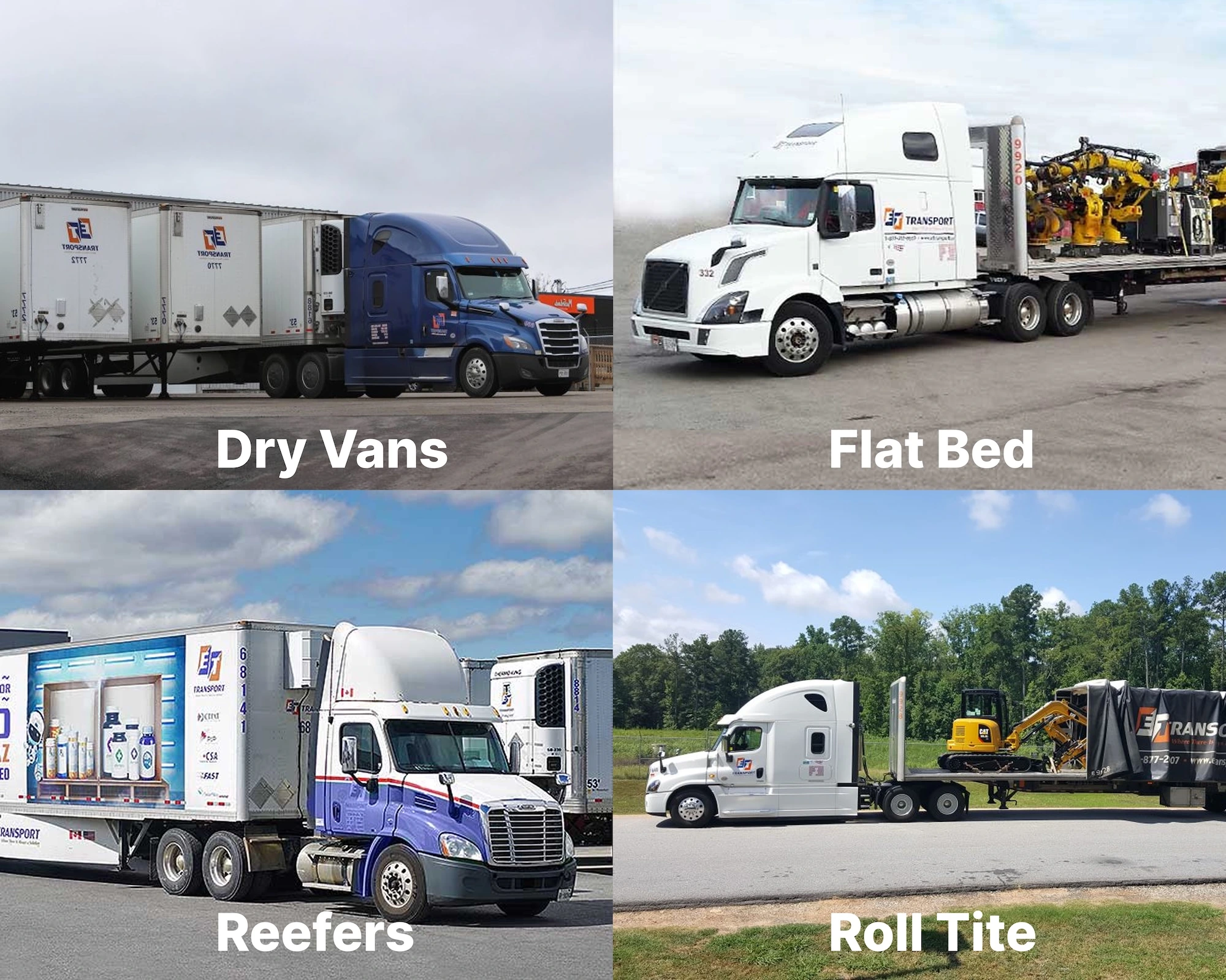
Different types of freight require different equipment, making trailer selection a key part of cross-border trucking services for both compliance and cargo protection.
Using the right trailer type ensures cargo safety, reduces risk, and helps avoid border delays.
Challenges of Cross-Border Shipping
Navigating cross-border shipping comes with its fair share of challenges and complexities. Some challenges you should be prepared for are:
Best Practices for Cross-Border Trucking Services
Successful cross-border shipping requires disciplined planning and execution. Here are the best practices:
Conclusion
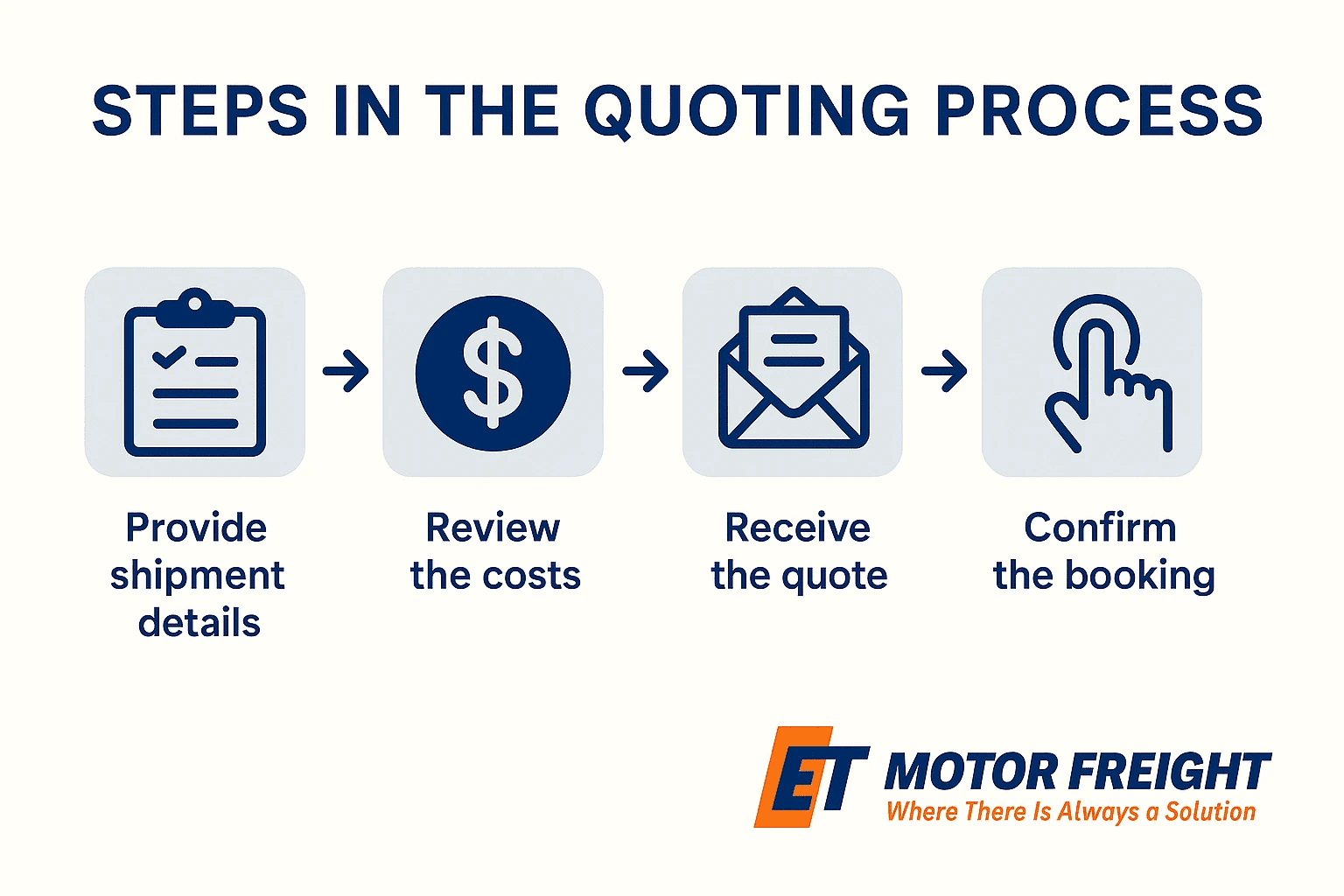
Shipping freight from the U.S. to Canada requires more than moving goods across a border. It demands control over documentation, compliance, cost structure, and transportation strategy.
For businesses relying on cross-border trucking services, success comes down to execution. Accurate documentation ensures smooth clearance. Proper cost planning protects margins. The right transportation and logistics partners reduce delays and improve reliability.
Let’s simplify your next cross-border move. Contact ET Motor Freight today to get started.
Frequently Asked Questions
1. What is the best way to ship freight from the US to Canada?
The most efficient method is cross-border trucking services, as they offer door-to-door delivery, flexible routing, and faster transit compared to other modes.
2. How long does freight shipping from the US to Canada take?
Transit time typically ranges from 1 to 5 days, depending on distance, border clearance, and shipment type.
3. Do I have to pay duties and taxes when shipping to Canada?
Yes, most shipments are subject to GST, HST, and duties, as Canada has a low de minimis threshold.
4. What is the role of HS codes in cross-border shipping?
HS codes classify goods and determine applicable duties and taxes. Incorrect HS codes can lead to fines, overpayment, or shipment holds at the border.