Shipping hazardous materials involves more than loading freight onto a truck. Shippers must follow strict federal regulations before a shipment can move legally and safely.
In most cases, shippers are responsible for classifying hazardous materials, preparing shipping papers, and ensuring employees receive proper hazmat training. Missing any of these steps can lead to fines, shipment delays, and safety risks.
Hazardous materials transportation is regulated by the U.S. Department of Transportation (DOT), the Federal Motor Carrier Safety Administration (FMCSA), and the Pipeline and Hazardous Materials Safety Administration (PHMSA). Understanding the rules is essential for every business involved in hazmat freight shipping.
This guide explains the most important hazmat shipping requirements, common compliance mistakes to avoid, and the key FMCSA hazmat requirements every shipper should know.
What is Hazmat Trucking and Why Does It Require Special Compliance?
Hazmat trucking refers to the transportation of hazardous materials that could pose a risk to people or the environment during transit. Because of these risks, the transportation of hazardous materials is subject to strict federal regulations.
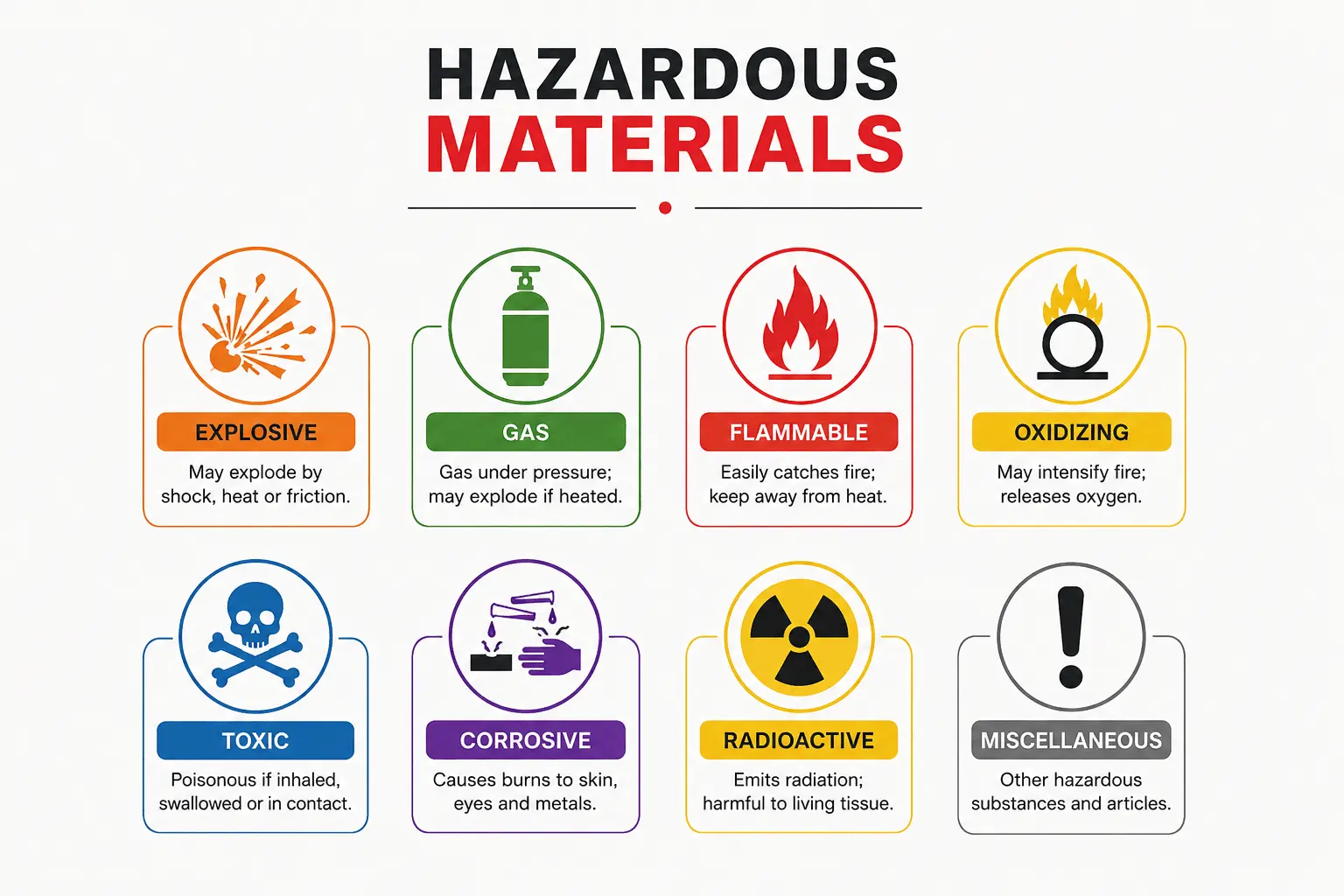
Common hazardous materials include:
In the United States, hazardous materials are classified into nine hazard categories. Each category has specific requirements for packaging, labeling, placarding, documentation, and handling. That’s why compliance is a critical part of every hazmat freight shipping operation.
Who is Responsible for Hazmat Shipping Compliance?
One of the most common misconceptions is that compliance falls solely on the carrier. In reality, both the shipper and carrier share responsibility.
|
Shipper Responsibilities |
Carrier Responsibilities |
|
Properly classify hazardous materials |
Verify shipment compliance before transport |
|
Select compliant packaging |
Maintain qualified and properly trained drivers |
|
Prepare shipping papers and documentation |
Ensure proper placarding requirements are met |
|
Apply required markings and labels |
Follow FMCSA transportation safety requirements |
|
Provide placards when required |
Maintain equipment and safety standards |
|
Maintain compliance records |
Carry emergency response information |
Because compliance is a shared responsibility, choosing an experienced and compliance-focused hazmat carrier is critical.
Key Hazmat Compliance Rules Every Shipper Must Know
Below are the most important hazmat shipping requirements every shipper should understand.
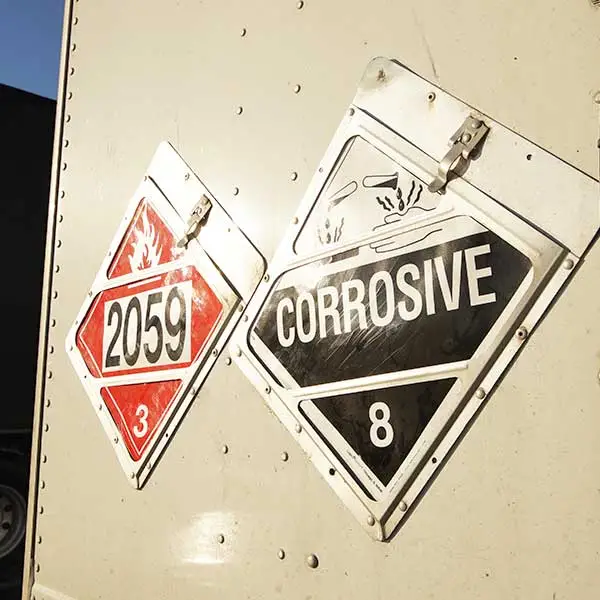
1. Proper Hazard Classification
Compliance begins with correctly identifying the material being shipped. Shippers should review the product’s Safety Data Sheet (SDS) and determine:
Incorrect classification is one of the most common causes of compliance violations.
2. Approved Packaging
Hazardous materials must be packaged according to federal regulations. Depending on the material and quantity involved, shipments may require:
Improper packaging can lead to leaks, spills, rejected shipments, and regulatory penalties.
3. Marking and Labeling
Every regulated shipment must clearly communicate hazards. Required markings may include:
Hazard labels help warehouse personnel, drivers, and emergency responders quickly identify risks.
4. Shipping Documentation
Proper documentation is a critical component of hazmat freight shipping. Required information often includes:
Incomplete paperwork remains one of the leading causes of FMCSA violations.
5. Emergency Response Information
Every shipment must have access to emergency response information. This includes:
When an incident occurs, accurate information can save lives.
Common Hazmat Shipping Mistakes Shippers Should Avoid
Even experienced shippers make costly compliance mistakes. The most common include:
1. Misclassifying Hazardous Materials
Incorrect hazard classifications can trigger a chain of compliance issues involving packaging, labeling, and documentation.
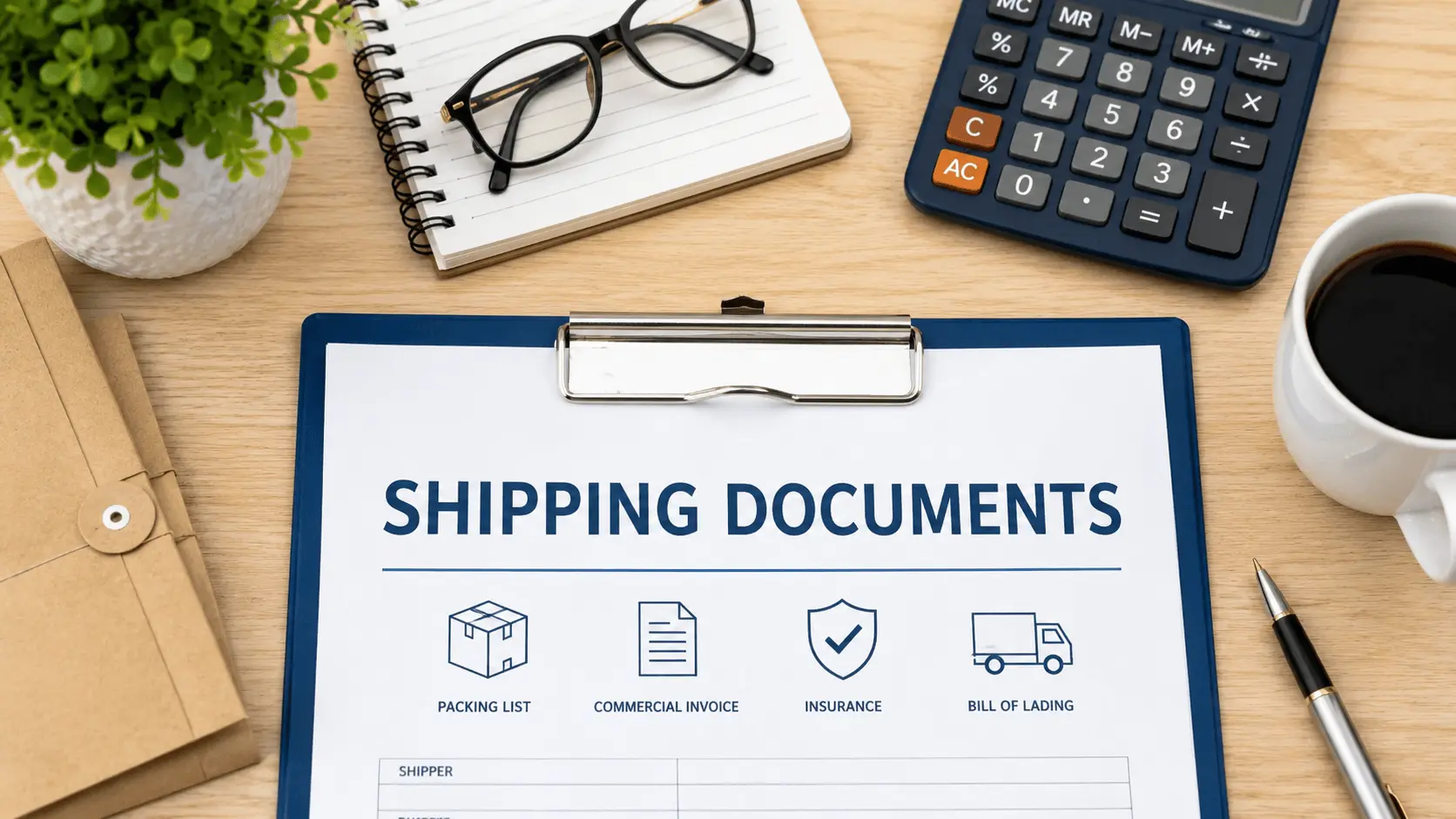
2. Incomplete Shipping Documentation
Missing information on shipping documents is one of the most frequent regulatory violations.
3. Incorrect Labels and Placards
Using incorrect placards creates confusion during inspections and emergencies.
4. Inadequate Employee Training
Employees who prepare or handle hazardous materials must receive appropriate training.
Avoiding these common mistakes can help shippers improve hazmat trucking compliance and ensure hazardous materials move safely through the supply chain.
How to Choose a Compliant Hazmat Trucking Carrier
Choosing the right transportation partner is one of the most important decisions a shipper can make. When evaluating hazmat trucking companies, ask about:
A quality hazmat carrier is always transparent about safety practices and regulatory compliance.
Why Shippers Trust ET Motor Freight for Hazmat Transportation
ET Motor Freight provides reliable hazmat trucking services across the United States and Canada. What sets ET Motor Freight apart:
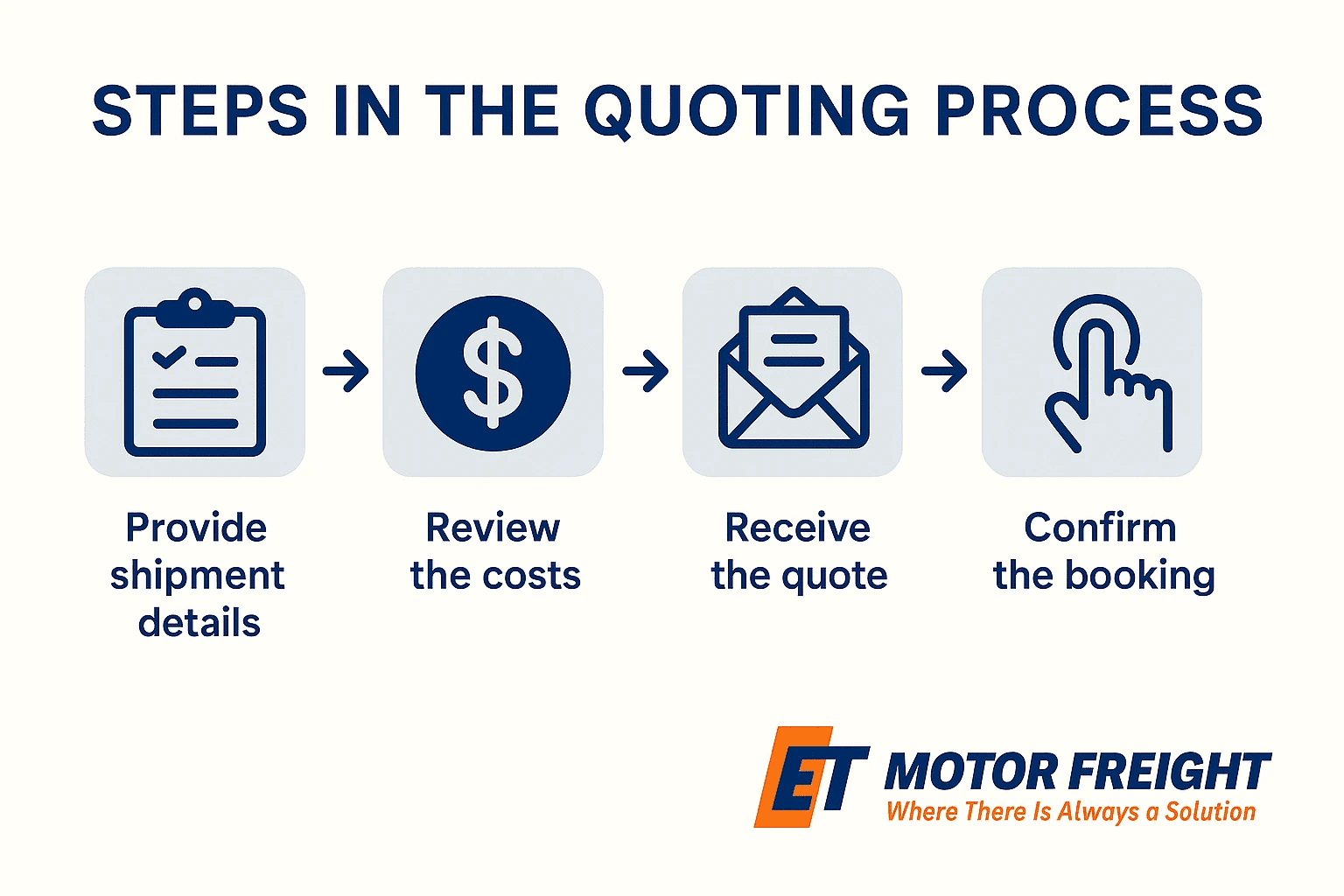
Whether you need hazardous materials shipping in the USA, cross-border transportation, or regional freight solutions, ET Motor Freight has the experience and support needed to keep your freight moving safely and efficiently.
Bottom Line
Compliance should never be an afterthought. Partnering with an experienced transportation provider can help reduce risk, improve efficiency, and ensure every shipment meets federal requirements.
Ready to move hazardous materials with confidence? Contact ET Motor Freight today for a customized hazmat freight quote and expert support for your next shipment.
Frequently Asked Questions
1. What is hazmat trucking?
Hazmat trucking is the transportation of hazardous materials that pose risks to health, safety, property, or the environment during transit.
2. Who is responsible for hazmat shipping compliance?
Both the shipper and carrier share responsibility. Shippers classify, package, and document shipments, while carriers ensure safe transportation and regulatory compliance.
3. What documents are required for hazmat trucking?
Most shipments require shipping papers containing the proper shipping name, hazard class, UN identification number, emergency contact information, and shipper certification.
4. When are hazmat placards required on trucks?
Placards are generally required when transporting regulated quantities of hazardous materials and must correspond to the hazard class being transported.
5. Do shippers need hazmat training?
Yes. Employees who classify, package, mark, label, or prepare hazardous materials shipments must receive appropriate hazmat training.
6. What are common hazmat shipping mistakes shippers should avoid?
Common mistakes include misclassification, improper packaging, incomplete paperwork, incorrect placards, and insufficient employee training.
7. How can shippers choose a compliant hazmat trucking carrier?
Look for carriers with strong FMCSA safety records, hazmat expertise, proper permits, ongoing training programs, insurance coverage, and a proven compliance history.