To choose the best temperature-controlled transportation provider, evaluate their cold chain expertise, equipment quality, real-time monitoring, compliance standards, geographic coverage, and ability to deliver integrated logistics services (warehousing, cross-docking, and final-mile delivery).
Whether you’re shipping food, pharmaceuticals, or sensitive materials, maintaining strict temperature control during transport is essential for product quality, safety, and compliance.
This guide provides a proven framework for selecting the best temperature-controlled freight service, including what to look for in refrigerated freight services across Canada, the USA, and international lanes
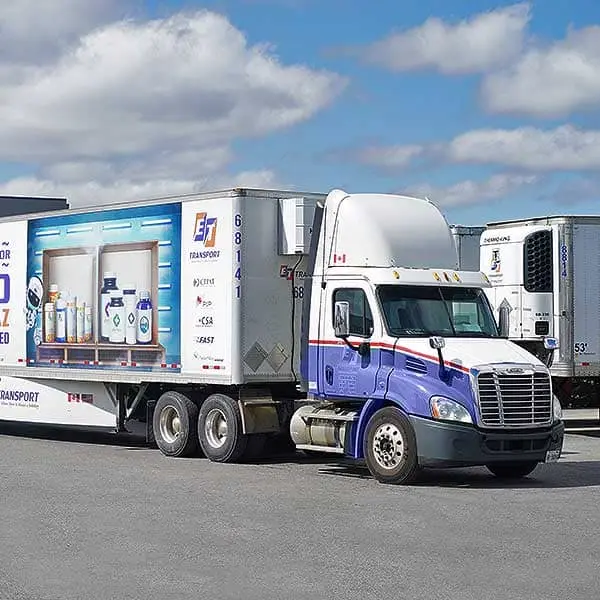
What Is Temperature Controlled Transportation?
Cold chain logistics refers to the movement of goods in a controlled environment, using vehicles and monitoring systems to maintain a specific temperature range. Also referred to as climate-controlled transportation, this process ensures products remain safe from origin to destination.
Common industries:
Why Choosing the Right Provider Matters
A weak temperature-controlled freight carrier can lead to spoilage, compliance risks, and lost revenue. A reliable freight service ensures stable transport temperature control, real-time visibility, and consistent delivery. A strong provider ensures:
7 Key Factors to Consider (Detailed Guide)
1. Cold Chain Expertise & Industry Experience
A provider’s experience in cold chain freight shipping is critical. Look for companies that understand the nuances of refrigerated freight, including handling perishable goods, pharmaceuticals, and sensitive materials.
Experienced freight forwarders and carriers can anticipate risks, manage delays, and maintain proper transport temperature control throughout the journey.
2. Equipment Quality (Reefer Fleet & Temperature Controlled Vehicles)
Your provider should operate a modern fleet of vehicles, including trucks and refrigerated trailers. High-quality refrigerated freight company operations include:
3. Real-Time Temperature Monitoring & Visibility
Top temperature control freight services offer real-time tracking and monitoring. Look for:
This level of visibility is essential for temperature-controlled international freight and high-value shipments.
4. Compliance & Safety Standards
A reliable temperature-controlled freight carrier must meet strict industry standards. Compliance ensures safe and legal transport across regions. Ensure compliance with:
5. Integrated Logistics & 3PL Capabilities
The best providers go beyond basic temperature-controlled freight shipping. Look for:
This allows seamless transportation services from origin to destination.
6. Geographic Coverage (USA, Canada & International)
Choose a provider with strong regional and international coverage. Whether you need to transport temperature-controlled freight in the USA, cross-border shipping, or international freight with temperature control, your provider should offer consistent service across all routes.
7. Communication, Support & Reliability
Reliable freight carriers provide:
Strong communication ensures smooth delivery and reduces risk.
Comparison: Basic Freight vs Temperature Controlled Freight
|
Feature |
Basic Freight |
Temperature Controlled Freight |
|
Temperature Control |
None |
Advanced monitoring |
|
Equipment |
Standard trucks |
Reefer + temperature-controlled vehicles |
|
Services |
Transport only |
Full logistics solutions |
|
Compliance |
Basic |
Industry-specific |
|
Visibility |
Limited |
Real-time tracking |
Common Mistakes to Avoid
Why ET Motor Freight is a Trusted Freight Provider
ET Motor Freight delivers reliable temperature-controlled freight services across North America.
Our advantages:
We ensure your goods arrive safely with consistent temperature control during transport.
Quick Checklist: How to Choose the Right Provider
Get a Quote
Looking for a reliable climate control transportation service or refrigerated freight company?

FAQs
1. What is temperature-controlled freight?
It refers to shipping goods in a regulated environment using temperature-controlled transport systems to prevent spoilage or damage.
2. What is refrigerated freight?
Refrigerated freight involves transporting goods using cooling systems to maintain specific temperature ranges.
3. What industries use temperature-controlled freight?
Food, pharmaceuticals, and chemicals rely on temperature-controlled freight shipping.
4. What is refrigerated LTL freight?
Refrigerated LTL freight allows smaller shipments to be transported in shared environments.
Final Thoughts
Choosing the right transportation provider ensures product safety, compliance, and efficiency.
By selecting a trusted partner like ET Motor Freight, you gain reliable temperature-controlled freight services, strong logistics support, and consistent delivery performance.