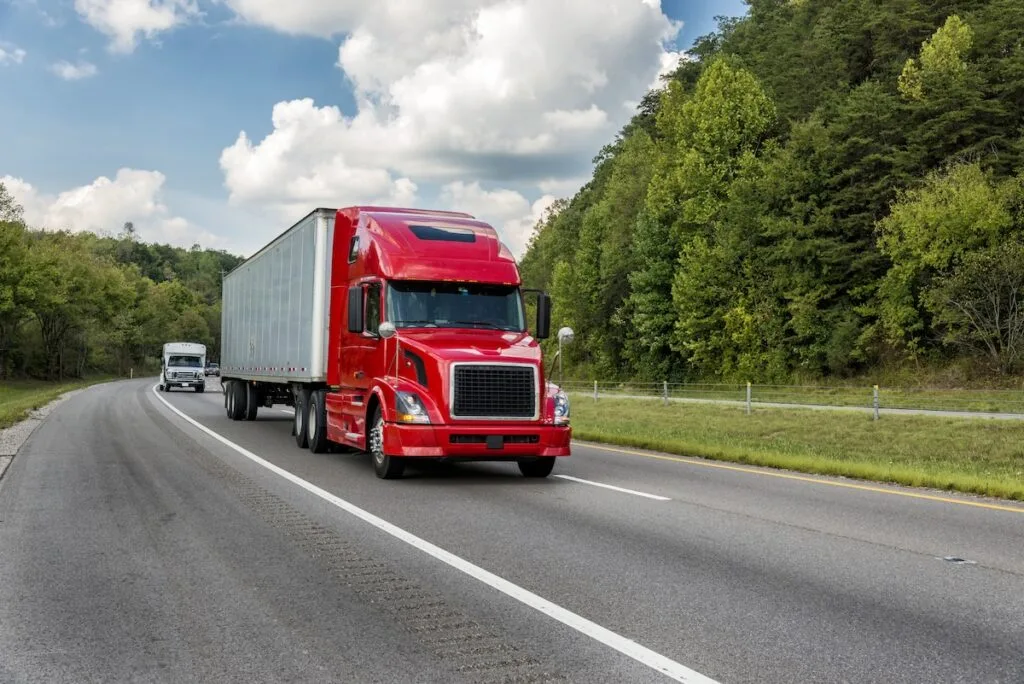
Choosing a freight carrier may seem straightforward at first. The challenge begins when you start comparing options.
One carrier offers lower rates. Another promises faster transit times. A third claims nationwide coverage. So how do you know which one is actually right for your business?
The answer comes down to more than price. Reliability, safety, equipment, service coverage, and communication all play a role in keeping your supply chain running smoothly.
This guide walks you through the key factors to consider when choosing a freight carrier and finding the right transportation partner for your business.
What is a Freight Carrier?
A freight carrier is a company responsible for physically transporting goods using its own equipment or contracted transportation assets. Unlike brokers, carriers are directly involved in moving freight.
Freight Carrier vs Broker vs 3PL
|
Freight Carrier |
Freight Broker |
3PL |
|
Moves freight physically |
Connects shippers with carriers |
Manages broader logistics operations |
|
May own trucks and trailers |
Typically does not own equipment |
May offer warehousing, fulfillment, and transportation management |
|
Direct operational control |
Acts as an intermediary |
Provides end-to-end supply chain support |
Key Factors to Consider When Choosing a Freight Carrier for Your Supply Chain
When evaluating a trucking company for shippers, focus on factors that directly impact service reliability and business outcomes.
1. Reliability and On-Time Performance
Price means little if shipments arrive late.
Ask prospective carriers about:
Reliable freight carriers for business shipping should be able to provide measurable performance data.
2. Safety and Compliance
Safety records reveal how seriously a carrier takes operational excellence. Review:
A carrier with strong safety performance and recognized transportation certifications typically delivers more consistent service while reducing operational and cargo-related risks.
3. Equipment Capabilities
Not all freight requires the same equipment. The right carrier should have equipment aligned with your freight requirements.
Dry Van Transportation
A dry van freight carrier is ideal for:
Dry van transportation remains the most commonly used trucking solution in North America.
Temperature-Controlled Trucking
Businesses shipping food products or other temperature-sensitive goods should work with a refrigerated freight carrier that has the equipment and expertise to maintain product integrity throughout transit.
Look for carriers with:
Flatbed Transportation
A flatbed freight carrier is often required for:
Specialized securement expertise is critical for these shipments.
HAZMAT Transportation
Businesses moving regulated materials should partner with a HAZMAT freight carrier that has the training and compliance processes required to transport hazardous goods safely.
Not every trucking company is qualified to handle hazardous freight.
4. Geographic Coverage
Your transportation network should align with your customer footprint. A nationwide freight carrier in the US can help simplify operations by reducing the need for multiple transportation vendors. Evaluate:
The broader the network, the easier it becomes to scale transportation operations.
5. Communication and Customer Support
Even the best transportation network occasionally faces unexpected issues. What separates exceptional carriers from average ones is how they respond.
Look for a freight carrier with 24/7 dispatch and dedicated customer support that can quickly resolve:
Fast communication minimizes downtime and protects customer relationships.
6. Financial Stability and Long-Term Reliability
Financial stability is often overlooked when selecting a carrier. However, it can have a direct impact on service reliability and long-term performance. You should verify:
A trucking company may look strong on the surface, but still lacks financial stability.
Avoid very new carriers unless they are backed by strong infrastructure. A reliable freight carrier should be able to sustain operations, not just win contracts.
Asset-Based Freight Carrier vs Non-Asset-Based Carrier: What’s the Difference?
When evaluating a freight carrier for supply chain operations, it’s important to understand the difference between an asset-based trucking company in the US and a non-asset-based provider. Here’s how they compare.
|
Factor |
Asset-Based Carrier |
Non-Asset-Based Carrier |
|
Fleet Ownership |
Owns and operates trucks, trailers, and equipment |
Relies on third-party carriers to move freight |
|
Shipment Control |
Greater operational control over shipments |
Control depends on partner carrier networks |
|
Capacity Management |
More predictable capacity and equipment availability |
Capacity may vary based on market conditions |
|
Communication |
Direct communication with carrier operations teams |
Communication often goes through intermediaries |
|
Accountability |
Single point of responsibility for service performance |
Responsibility may be shared among multiple parties |
|
Cost Structure |
Typically offers stable long-term pricing |
Rates may fluctuate based on market conditions |
How to Choose a US-Canada Freight Carrier
Cross-border shipping introduces additional complexity. That’s why choosing a US-Canada freight carrier requires evaluating more than transportation capabilities alone.
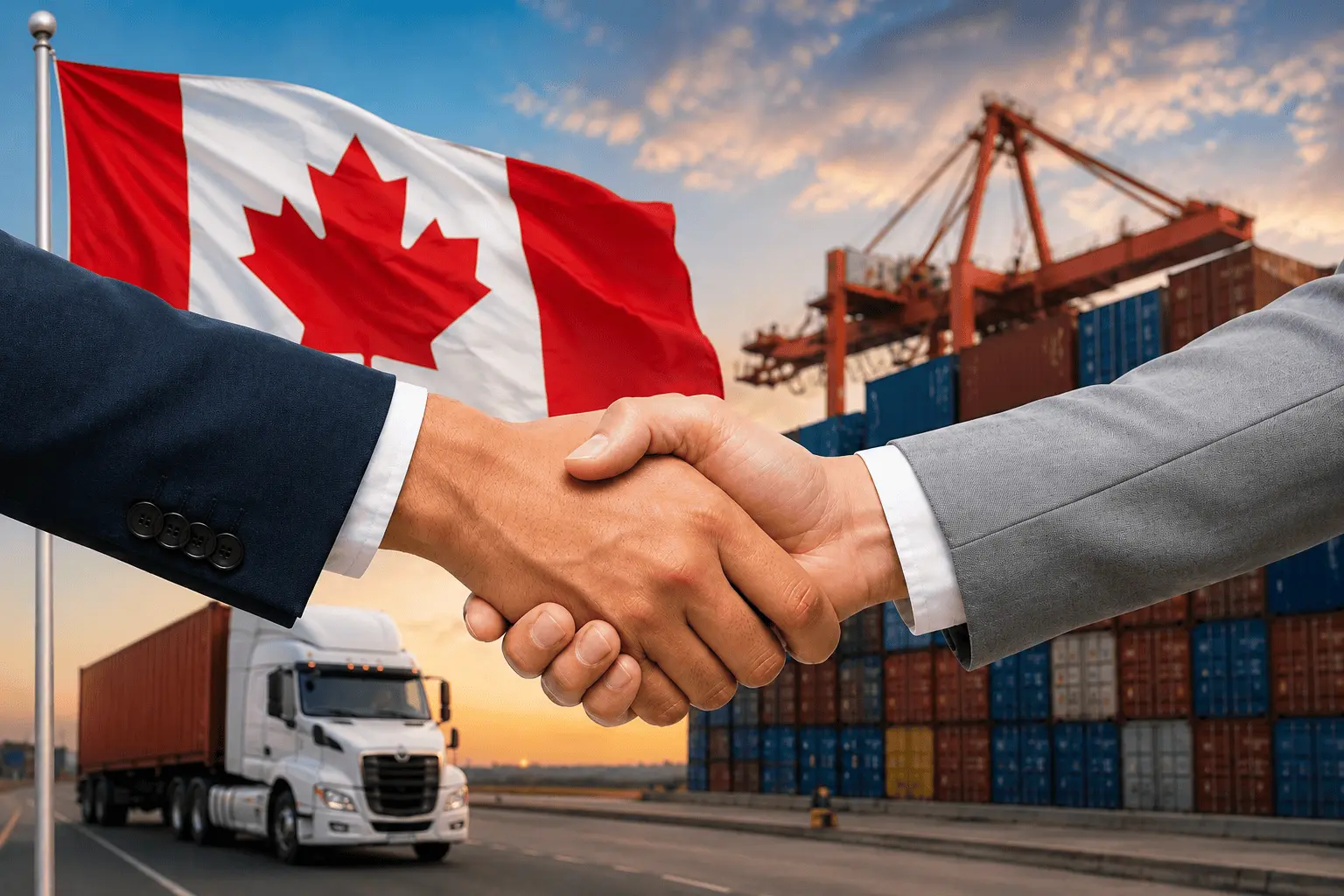
When comparing carriers, look for:
An experienced cross-border freight carrier can significantly reduce border delays and compliance issues.
Bottom Line
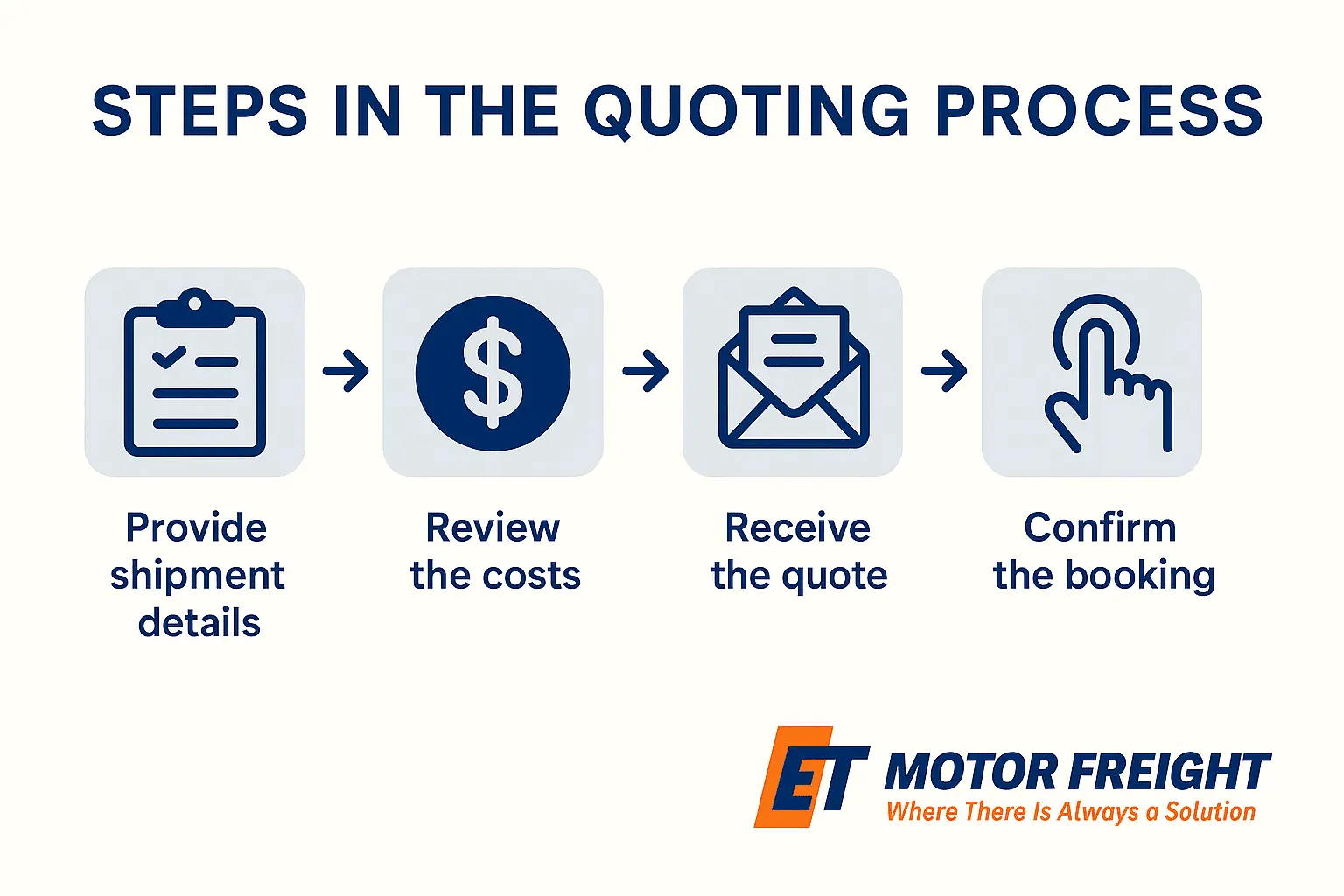
Choosing the right trucking company in the USA is not just about price. It is about selecting a carrier that can deliver consistently on your routes with the right equipment and operational expertise.
Contact ET Motor Freight for a tailored freight quote. Our team can help you move freight across the USA and Canada with reliable service, specialized equipment, and dedicated support.
Frequently Asked Questions
1. How do I choose a US-Canada freight carrier?
Look for a carrier with customs expertise, cross-border operating authority, documentation support, and experience handling freight between the United States and Canada.
2. What is the difference between a freight carrier, broker, and 3PL?
A freight carrier moves freight, a broker arranges transportation, and a 3PL manages broader logistics services such as warehousing, fulfillment, and transportation management.
3. What is the difference between full truckload and LTL shipping?
Full truckload shipping dedicates an entire trailer to one shipment, while LTL combines freight from multiple shippers in a shared trailer.
4. When should I use dry van, temperature-controlled trucking, or flatbed transportation?
Use dry vans for general freight, temperature-controlled trucking for sensitive products requiring consistent temperatures, and flatbeds for oversized or heavy cargo.
5. What affects trucking rates for business freight?
Freight dimensions, weight, distance, fuel costs, equipment requirements, capacity conditions, and service levels all influence trucking rates.
6. How do I choose a reliable trucking company?
Review safety records, equipment capabilities, customer support, technology offerings, and industry experience before making a decision.