Is your budget constantly being hijacked by volatile fuel prices? Are you struggling to maintain your delivery schedules due to the driver shortage? For businesses shipping freight across the U.S. and Canadian borders, these challenges are non-negotiable costs of doing business. The combination of long-haul trucking expenses and intense environmental mandates creates a difficult scenario for cross-border logistics.
The current economic and environmental climate demands a scalable, more resilient approach than all-highway transport. That approach is an intermodal freight solution. By intelligently pairing the efficiency of rail with the door-to-door flexibility of trucks, intermodal uses standardized containers to cut costs, stabilize lead times, and deliver a massive, measurable reduction in greenhouse gas (GHG) emissions. It’s the smart way to move freight across North America.
What Is Intermodal Freight?
The core concept of intermodal freight is simple: moving a single, sealed load unit, like an ISO container, between multiple modes of transport (road and rail) without ever having to unpack the cargo. This standardization generates intermodal transport efficiency.
This differs from general multimodal transport, which is a broader term for using various modes but doesn’t guarantee the cargo stays in the same physical container. In the intermodal model, trucks perform the essential, short-haul drayage to and from the rail terminals, while the rail network handles the long-distance, cost-intensive core of the journey.
Why Choose Intermodal for Cross-Border Shipping?
Intermodal is the strategic answer to both financial stress and the demand for a cleaner global supply chain.
Reduced Emissions & Environmental Benefits
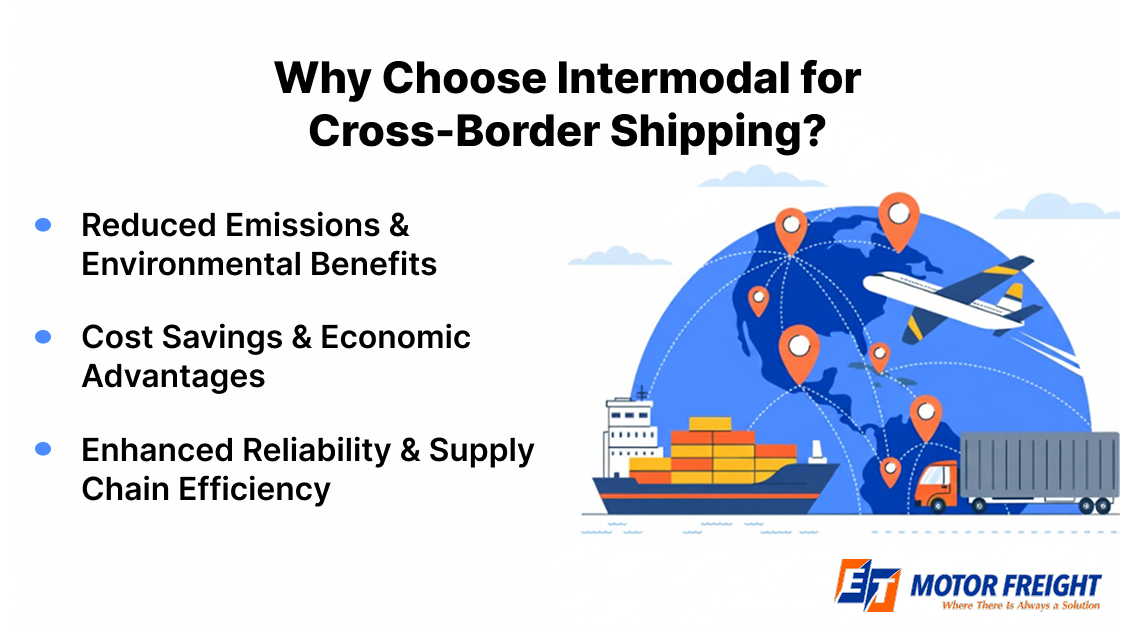
Adopting intermodal is the most effective way to participate in green supply chain logistics and reduce your environmental footprint.
Cost Savings & Economic Advantages
The shift to intermodal is an immediate economic strategy that delivers substantial savings on long-haul lanes.
Enhanced Reliability & Supply Chain Efficiency
Intermodal solutions inject essential stability and predictability into complex cross-border movements.
Operational Considerations for Cross-Border Intermodal
Success with intermodal requires proactive planning and a single, reliable logistics partner.
Industries & Use Cases
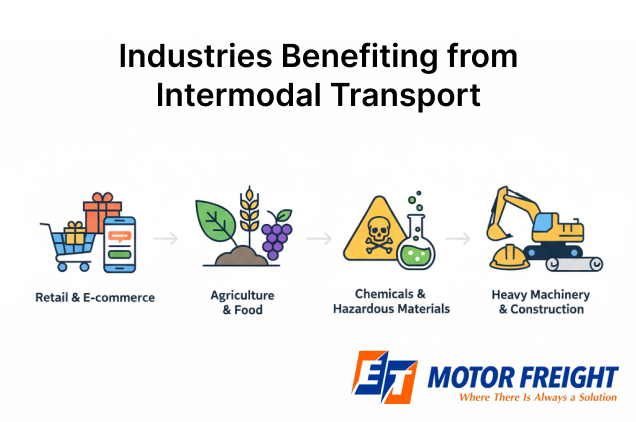
Intermodal is a versatile solution applicable across nearly every sector, but it delivers exceptional value to industries with high-volume, long-distance, or specialized cross-border needs.
Quantifying the Benefits: Intermodal vs. Trucking
This table summarizes the core financial, environmental, and efficiency advantages of shifting your cross-border freight to our door-to-door intermodal solution.
| Advantage | Key Metric | Specific Benefit for Shippers |
|---|---|---|
| Significant Cost Savings | Long-Haul Rate Reduction | 20–50% savings on the long-haul portion compared to Full Truck Load (FTL). |
| Consolidation Savings | Up to 40% reduction in total transportation cost (e.g., Mexico northbound freight). | |
| Environmental Impact | CO₂ Intensity Reduction | Up to 70% reduction in CO₂ per ton-mile vs. all-highway shipping. |
| Capacity Efficiency | One train replaces ~280 trucks, drastically lowering road congestion. | |
| Supply Chain Efficiency | Border Dwell Time | 30–60% reduction in customs processing time and border delays. |
| Risk Mitigation | Provides more stable capacity and predictable schedules, mitigating driver shortage risks. |
Table Text: Key advantages of the intermodal solution
Frequently Asked Questions
1. How can intermodal freight reduce shipping costs?
Shifting the long-haul portion to rail reduces fuel consumption and tolls, offering predictable pricing. You can expect 20–50% savings versus FTL on long cross-border segments, with freight consolidation strategies yielding up to 40% cost reduction.
2. How do intermodal freight solutions reduce carbon emissions?
Rail is three to four times more fuel-efficient than trucks, resulting in about a 75% reduction in GHG emissions. Cross-border services can cut the shipment’s CO₂ intensity by up to 70% per ton-mile, promoting a sustainable freight transportation model.
3. Is intermodal shipping cheaper than trucking or air freight?
Yes, for long distances (over 700 km), intermodal is generally cheaper than FTL trucking due to lower per-mile fuel rates, offering 20–50% savings on cross-border routes. It is significantly more cost-efficient and environmentally responsible than air freight for non-urgent cargo.
4. What industries benefit most from intermodal freight solutions?
Industries with high-volume, long-distance, or cross-border shipping needs gain the most, including retail, manufacturing, and automotive. Intermodal also accommodates specialized goods like temperature-controlled (reefer) and hazardous materials in secure containers.
5. How does intermodal transport improve supply chain efficiency?
Efficiency improves through predictable rail schedules and seamless container transitions, which allow for better inventory management. Unified digital platforms reduce documentation errors and cut border dwell time significantly.
Conclusion
Intermodal freight solutions are not just a trend; they are the strategic necessity for resilient and sustainable North American trade. They offer substantial cost reduction, deliver significant emissions reduction, and build the supply chain stability required in today’s demanding market. Adopting intermodal is both a smart economic strategy and a powerful commitment to sustainable, green supply chain logistics.
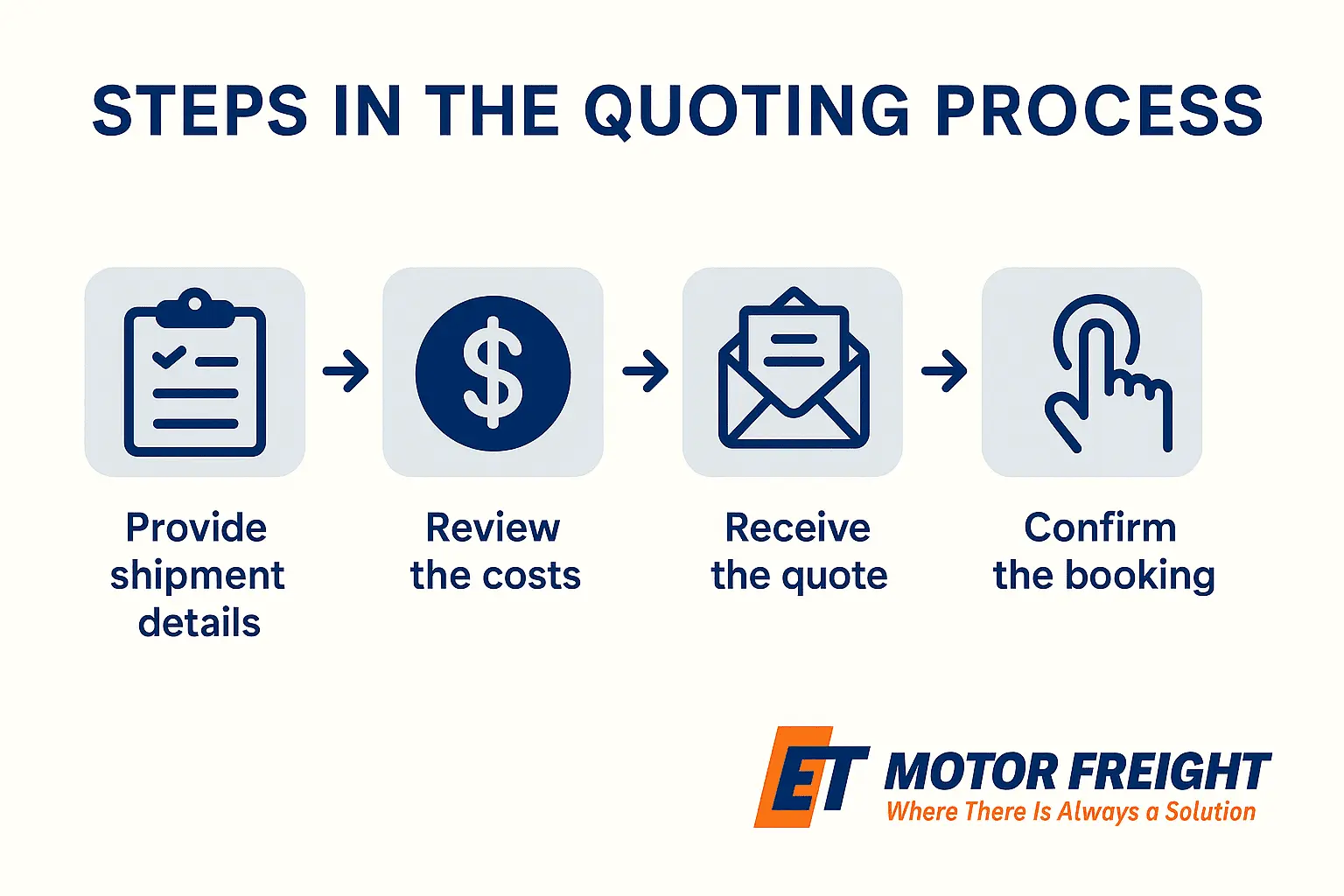
Ready to make the switch? Contact the experts at ET Motor Freight today to analyze your key cross-border lanes and request a quote.