Are you overpaying for freight without realizing it? In the USA, most businesses rely on two core options: Full truckload freight shipping (FTL) and LTL freight shipping (less than truckload). The choice between them may seem simple, but it directly affects how much you spend on each shipment.
In practice, LTL freight reduces costs for smaller shipments where paying for a full truck makes no sense. But as shipment size increases, FTL freight quickly becomes more cost-effective by lowering per-unit costs and improving delivery speed.
What is FTL vs LTL Shipping?
Full Truckload Shipping (FTL)
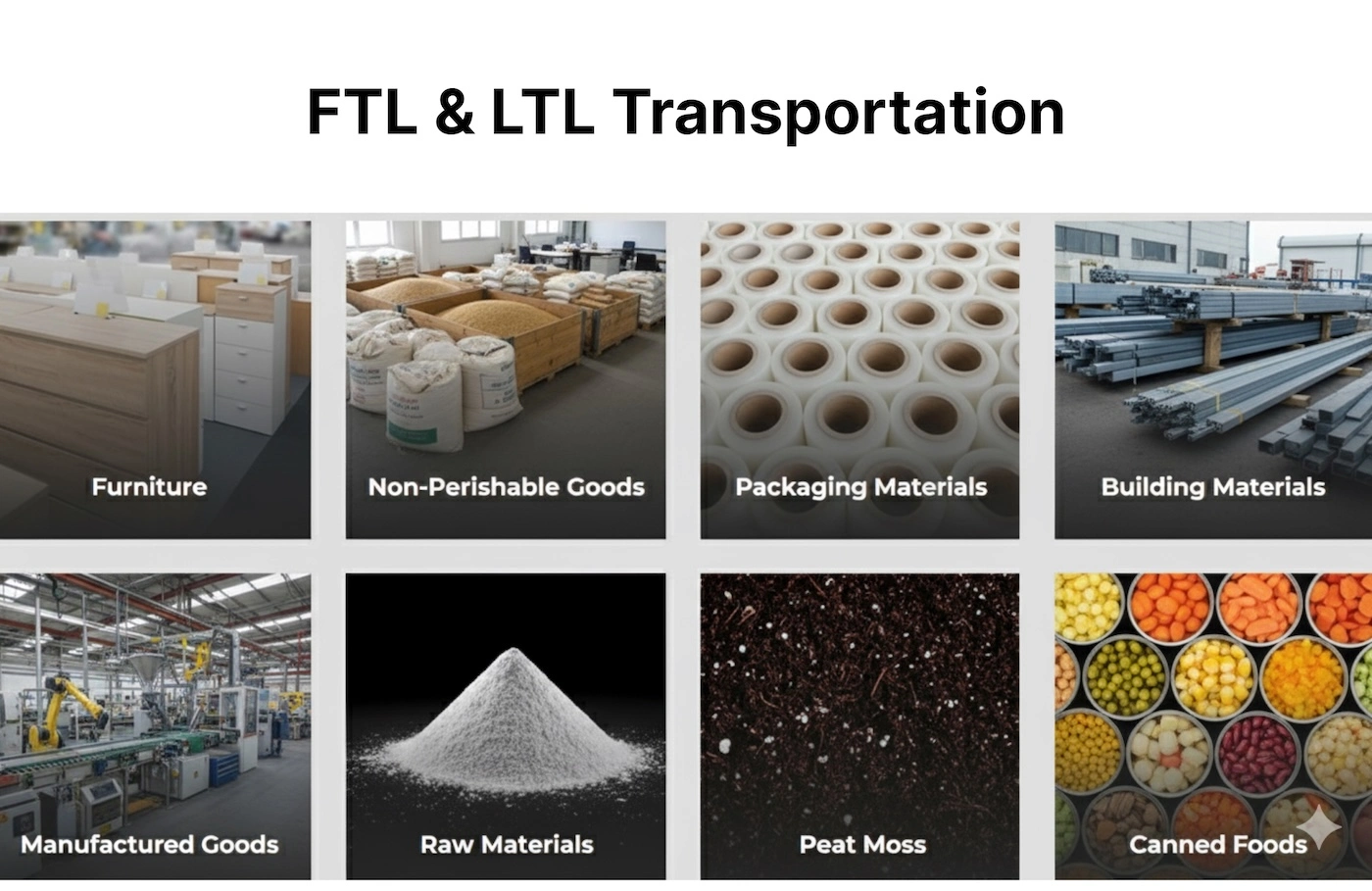
Full truckload shipping means your shipment occupies the entire truck.
There is no consolidation, no transfers, and no sharing with other freight. The load moves directly from origin to destination. This model is typically used when:
FTL freight is built for control, speed, and reduced risk.
Less Than Truckload Shipping (LTL Shipping)
Less-than-truckload shipping services combine multiple shipments into a single truck. You pay only for the space your freight occupies, making LTL freight attractive for smaller loads.
However, this efficiency comes with tradeoffs. Freight moves through terminals, gets transferred between trucks, and follows a shared delivery route. LTL freight works best when:
FTL vs LTL Freight Cost Comparison
Cost is the deciding factor for most businesses, but it is often misunderstood.
LTL Freight Cost Structure
LTL freight is cheaper upfront because costs are shared across multiple shippers. You are billed based on:
However, the pricing model is complex. Small errors in dimensions or classification can increase costs after booking.
FTL Freight Cost Structure
FTL freight pricing is more straightforward. You only pay for:
While the total cost is higher, the cost per unit decreases as volume increases. This is where most businesses begin to shift toward FTL freight.
Where the Cost Advantage Shifts
The real decision point is volume.
This is where FTL vs LTL shipping cost comparison becomes strategic, not just operational.
Transit Time and Delivery Performance
FTL shipments move directly from pickup to delivery. There are no intermediate stops, which makes timelines predictable and faster.
LTL shipments move through a network. Freight is transferred between terminals and combined with other loads, increasing transit time.
Typical differences:
Handling Risk and Damage Exposure
Handling is one of the most overlooked cost factors. With FTL, freight is loaded once and unloaded once. This significantly reduces the risk of damage, loss, or delays.
With LTL freight, shipments are:
This increases exposure. Even well-packaged goods face a higher risk compared to FTL.
Flexibility vs Efficiency Tradeoff
LTL and FTL Shipping are built for different operational needs. LTL freight provides flexibility. You can ship smaller quantities without committing to a full truck, which works well for inconsistent demand.
FTL provides efficiency. It reduces handling, shortens delivery time, and lowers cost per unit when volume is high.
The tradeoff is clear:
Decision Framework: Which Saves More?
Choose FTL When
FTL freight is the better option when control and efficiency matter more than upfront cost.
Opt for FTL freight if:
Choose LTL Freight When
LTL freight works when cost savings outweigh the need for speed and control.
Opt for LTL Freight if:
Conclusion
There is no universal winner when it comes to FTL vs LTL shipping.
LTL freight saves money when shipment volume is low, and flexibility matters more than speed. FTL freight becomes more cost-efficient as volume increases, especially when delivery timelines are tight or goods require minimal handling.
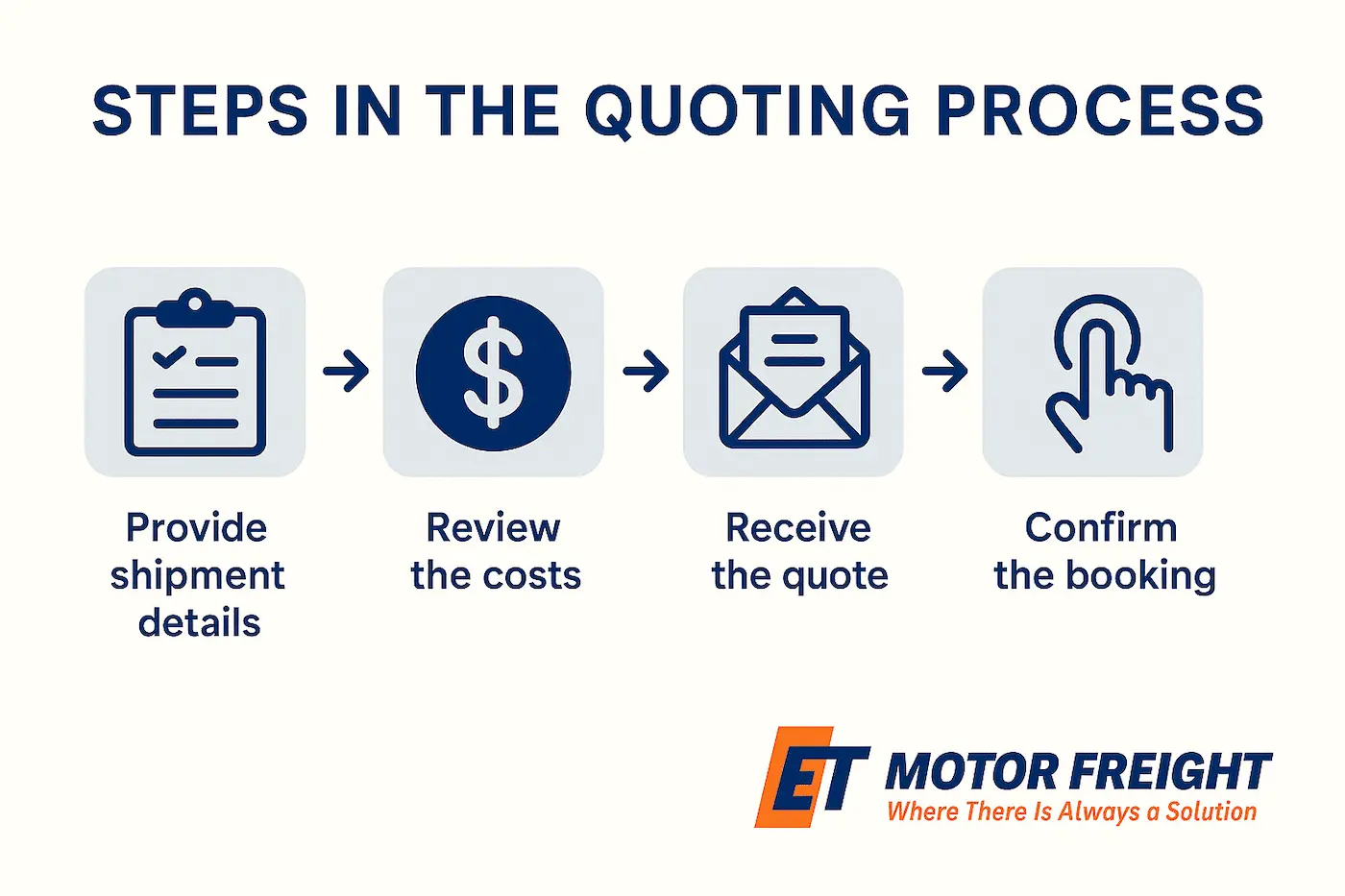
Ready to optimize your freight strategy? Contact the experts at ET Motor Freight to analyze your key cross-border lanes and request a tailored quote.
Frequently Asked Questions
1. Which is cheaper, FTL or LTL shipping in the USA?
LTL freight is cheaper for small shipments because you only pay for the space you use. FTL freight becomes more cost-efficient as shipment size increases, especially beyond 6-12 pallets.
2. When should I choose FTL over LTL Shipping?
Choose full truckload shipping when your shipment is large, time-sensitive, or requires minimal handling. It is also the better option when reducing the risk of damage or delivery delays is critical.
3. What is the main difference between FTL and LTL freight shipping?
FTL freight uses an entire truck for a single shipment, while LTL freight consolidates multiple shipments into a shared trailer. This affects cost, speed, and handling risk.
4. How does freight class affect LTL shipping costs?
LTL freight pricing depends on freight class, which is based on density, handling, and product type. Incorrect classification can lead to higher charges after reweighing.
5. Is LTL shipping slower than FTL?
Yes. LTL freight shipments move through multiple terminals and routes, which increases transit time. FTL freight is faster because it goes directly from pickup to delivery.
6. Are there hidden costs in LTL freight shipping services?
Yes. LTL freight may incur additional charges, including liftgate fees, residential delivery fees, and reclassification costs. These can increase the final price beyond the initial quote.