Freight shipping cost in the US in 2026 typically ranges from $1.80 to $2.50 per mile for dry van FTL.
Based on North American freight market benchmarks for LTL, rates usually fall between $0.25 to $0.50 per lb
Smaller shipments may cost around $300, while full truckloads can exceed $5,000 depending on distance and load size. Freight shipping rates are not fixed. They change based on weight, distance, freight type, and real-time market conditions.
Current market conditions show excess capacity keeping rates competitive, while carrier costs prevent major declines. This keeps pricing stable but unpredictable in 2026.
This guide explains how freight shipping costs work, what drives pricing, and how to calculate your exact cost.
How Freight Shipping Costs Actually Work in 2026
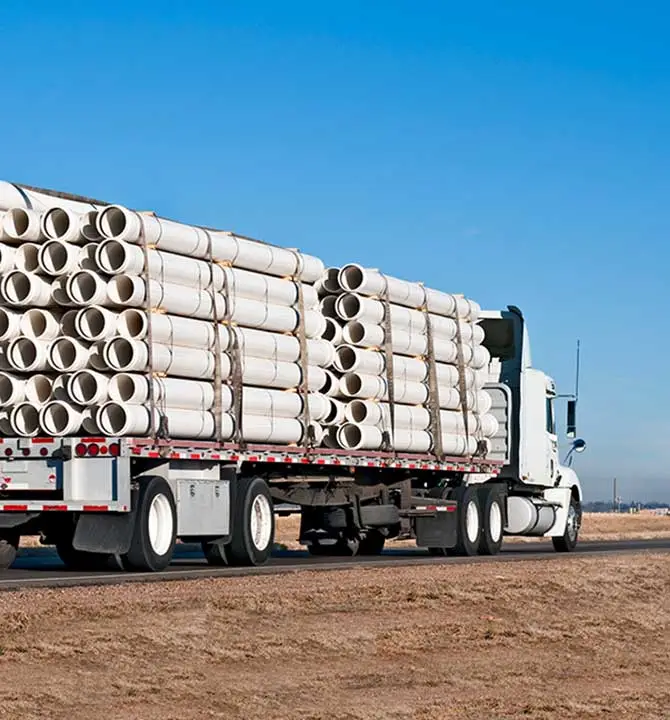
Freight shipping costs vary widely, but the ranges alone do not explain how pricing works. What matters is how your shipment fits into the pricing model.
LTL Freight Shipping Cost
LTL pricing is driven by how efficiently your shipment uses space. Most shipments fall between $300 and $1,500, but the final cost depends on:
Higher density reduces cost per lb. Bulky freight increases it.
Incorrect dimensions or class can trigger reclassification, which increases the shipping freight rate.
FTL Freight Shipping Cost
FTL pricing is based on truck freight rate per mile, not weight. A typical load ranges from $1,500 to $5,000+, depending on:
Long hauls reduce cost per mile. Short hauls increase it due to fixed operational time.
Other Freight Shipping Rates
Air and ocean freight follow different pricing structures.
Air freight is used when speed is critical and comes at a premium. Ocean and intermodal options reduce cost for long-distance shipping but increase transit time.
How Truck Freight Rates Per Mile Work in 2026
Average truck freight rate per mile
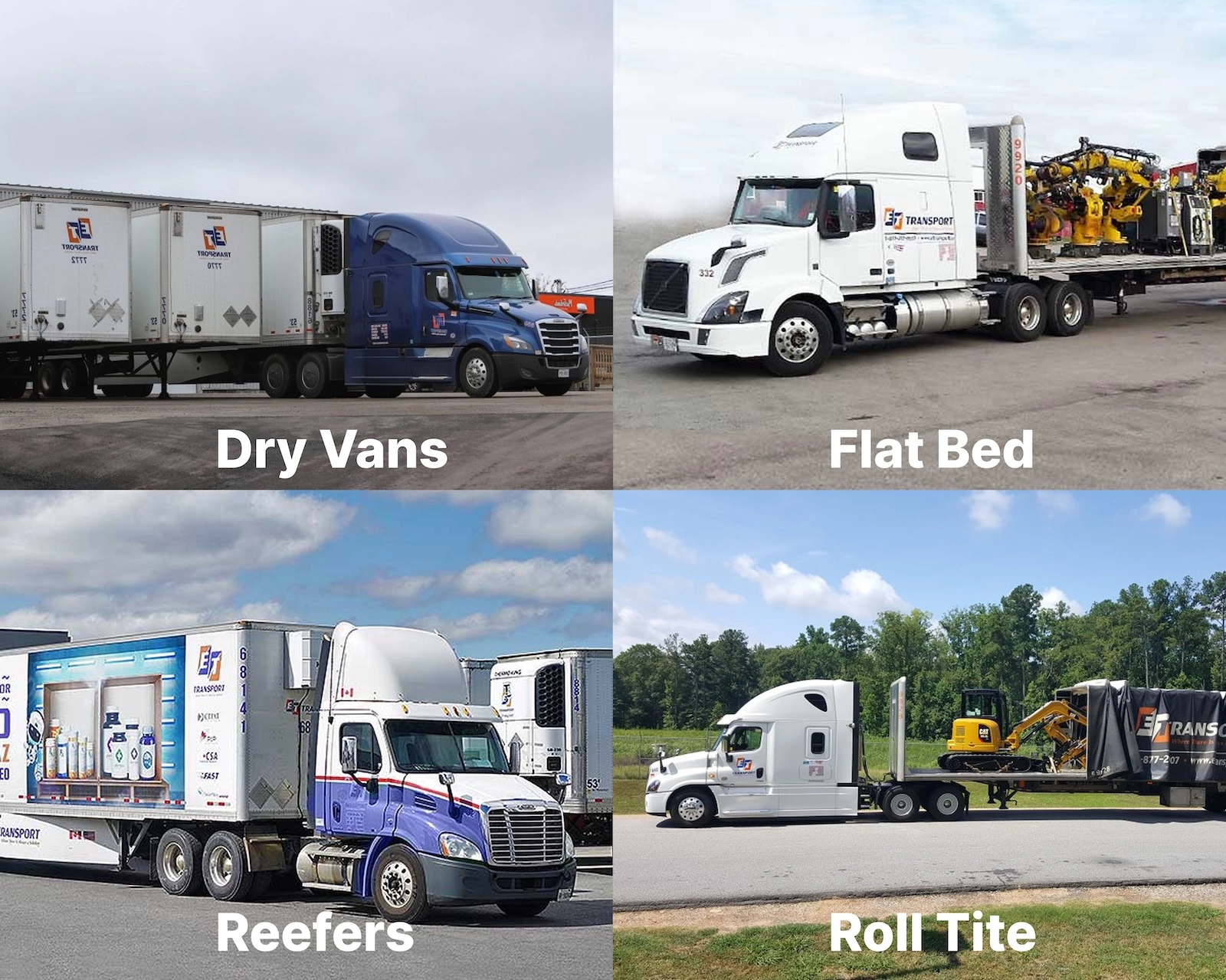
Rates vary by equipment type and market conditions.
These ranges represent typical truck freight rate benchmarks in the US, but actual pricing depends on the route and timing.
What affects the truck freight rate per mile
Truck freight rate per mile changes based on multiple variables.
Short hauls usually have a higher freight shipping cost per mile because loading time and fixed costs are spread over fewer miles.
Long hauls reduce the cost per mile, but increase the total freight shipping cost.
LTL vs FTL Freight Shipping Cost Comparison
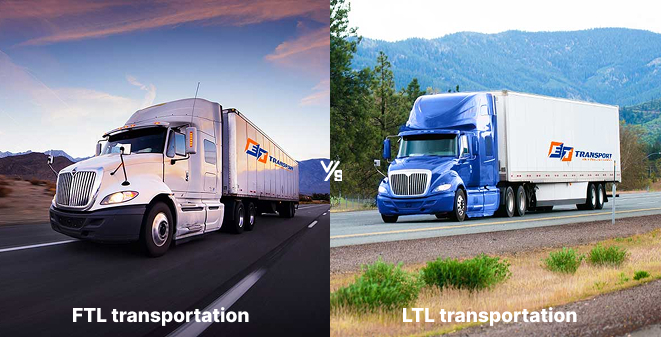
Choosing the wrong shipping method is where most businesses lose money.
LTL freight shipping costs work best for smaller shipments. You pay based on weight and space, which keeps the upfront cost lower. However, multiple handling points increase transit time and risk.
FTL freight shipping cost gives you full use of the trailer. It offers faster delivery, fewer touchpoints, and more predictable truck freight rates.
A simple comparison makes the difference clear:
| Scenario | LTL Cost | FTL Cost |
| 500 lb, 200 miles | ~$300 | Not practical |
| 5,000 lb cross country | $1,500+ | ~$4,000 |
| Full truckload | Inefficient | $2,000 to $3,000 |
The decision is straightforward. LTL reduces cost for smaller loads, while FTL becomes more efficient as shipment size increases.
How to Calculate Freight Shipping Cost
Freight shipping cost is calculated based on the shipment details and current market rates. If you understand the inputs, you can estimate costs with high accuracy.
Step 1: Gather shipment details
Start with the basics. Every freight quote depends on this data.
Without accurate inputs, your freight shipping rate will be incorrect.
Step 2: Calculate density (for LTL)
For LTL freight shipping cost, density is critical. Higher density reduces cost per lb. Lower density increases it due to space usage.
Step 3: Identify the pricing model
Freight cost depends on the type of shipment.
- LTL freight shipping cost is based on weight, density, and freight class
- FTL freight shipping cost is based on the truck freight rate per mile
Choosing the wrong model leads to overpaying.
Step 4: Apply base rates
Once the model is clear, apply the appropriate rate:
- LTL uses cost per lb or per pallet
- FTL uses trucking rates per mile
Rates vary by lane, demand, and timing.
Step 5: Add accessorial charges
Base rate is not the final cost.
Common additional charges include:
- Fuel surcharge
- Liftgate service
- Residential delivery
- Detention or waiting time
These can significantly increase the total freight shipping cost.
Step 6: Use a freight shipping cost calculator
Manual estimates are limited. Real pricing requires live data.
A freight shipping cost calculator allows you to:
- Get a real-time freight quote
- Compare multiple carriers
- Optimize cost before booking
How to Reduce Freight Shipping Cost

Freight shipping cost is not fixed. It can be reduced by improving how you plan, package, and book your shipments.
The biggest savings do not come from negotiating harder. They come from making better operational decisions.
1. Improve shipment density
LTL freight shipping cost is heavily influenced by how efficiently your freight uses space.
Higher density lowers cost per lb, while poorly packed shipments increase pricing due to wasted space.
Focus on:
- Proper pallet sizing
- Tight and secure stacking
- Optimizing space in packaging
Even small improvements here can reduce overall cost.
2. Choose the right shipping mode
Using the wrong shipping method is one of the most common cost mistakes.
LTL is cost-effective for smaller shipments, while FTL becomes more efficient as volume increases. Many businesses bleed by paying for the wrong type of shipment.
Where possible:
- Consolidate smaller shipments
- Move to FTL when nearing full capacity
Correct mode selection directly impacts your total freight spend.
3. Avoid accessorial charges
Accessorial fees are often overlooked but can significantly increase the total cost. These charges usually come from incomplete or inaccurate shipment details.
Common triggers include:
- Liftgate requirements
- Residential delivery
- Detention or delays
Planning and providing accurate data helps eliminate these unnecessary costs.
4. Optimize shipping lanes and timing
Freight rates are based on route demand and timing. Shipping during peak seasons or on unbalanced lanes can increase your truck freight rate per mile.
To reduce cost:
- Plan shipments in advance
- Avoid peak demand periods
- Use more balanced routes when possible
Timing can influence pricing as much as distance.
5. Build long-term carrier relationships
Cost reduction is not just about one shipment. It is about consistency over time. Businesses with regular shipping volume can negotiate better rates and secure more reliable service.
Strong carrier relationships help:
- Lock in competitive pricing
- Reduce rate volatility
- Improve service reliability
Conclusion
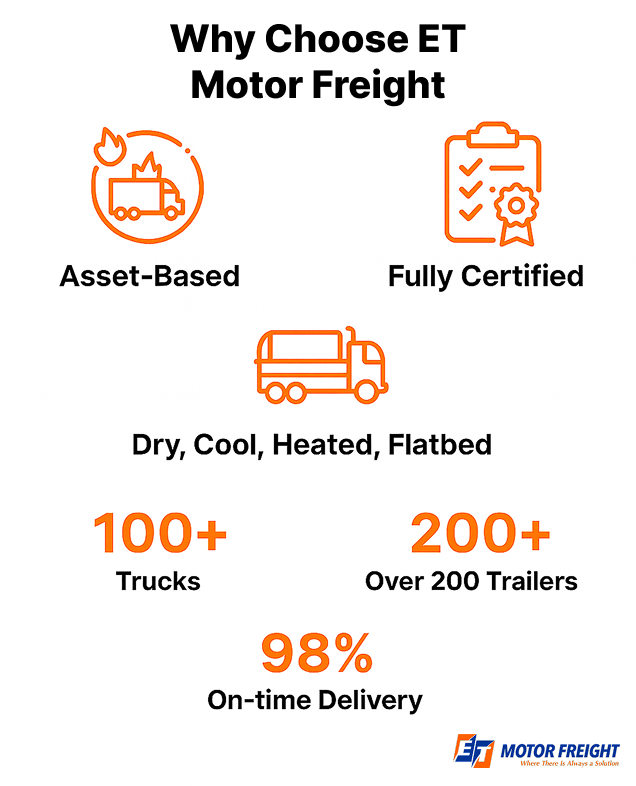
Freight shipping cost in the US depends on how well you manage your shipment data, mode selection, and timing. Businesses that understand pricing models and use real-time freight quotes consistently reduce spend.
Instead of relying on estimates, focus on accuracy and planning. The right approach turns freight from a cost center into a controlled advantage.
Ready to take control of your freight costs? Contact ET Motor Freight to evaluate your shipping lanes and request a freight quote.
Frequently Asked Questions
1. What is flat rate freight shipping?
Flat rate freight shipping is a pricing model where a fixed cost is assigned to a shipment or route. It is commonly used for consistent lanes and predictable freight types.
2. How long does flat-rate freight shipping take?
Transit time depends on distance and mode. FTL shipments typically take 1 to 6 days, while LTL shipments can take 2 to 10 days due to multiple stops.
3. How to calculate a freight shipping rate?
Freight shipping rate is calculated based on weight, dimensions, distance, and shipping type. Using a freight shipping cost calculator provides the most accurate estimate.
4. How much is flat rate freight shipping?
Flat rate pricing varies by lane and carrier. Most rates align with standard FTL cost per mile or LTL cost per lb, depending on shipment type.
5. Where can I find the rate for freight shipping?
You can use shipping cost calculators, freight brokers, or logistics platforms to get real-time quotes.
6. What is the freight rate for shipping?
A freight rate is the cost charged to move goods from one location to another. It can be priced per mile, per lb, per pallet, or per shipment.