The global seafood trade is accelerating. According to the Food and Agriculture Organization (FAO), seafood production has more than doubled since 1990, and global demand continues to rise with the growth of e-commerce and international sourcing.
This surge creates new demands for fresh seafood logistics, where timing, temperature, and compliance determine whether seafood reaches consumers in market-ready condition. Efficient transportation is not just about speed but precision, preservation, and regulatory excellence.
Seafood’s Journey: From Harvest to Distribution
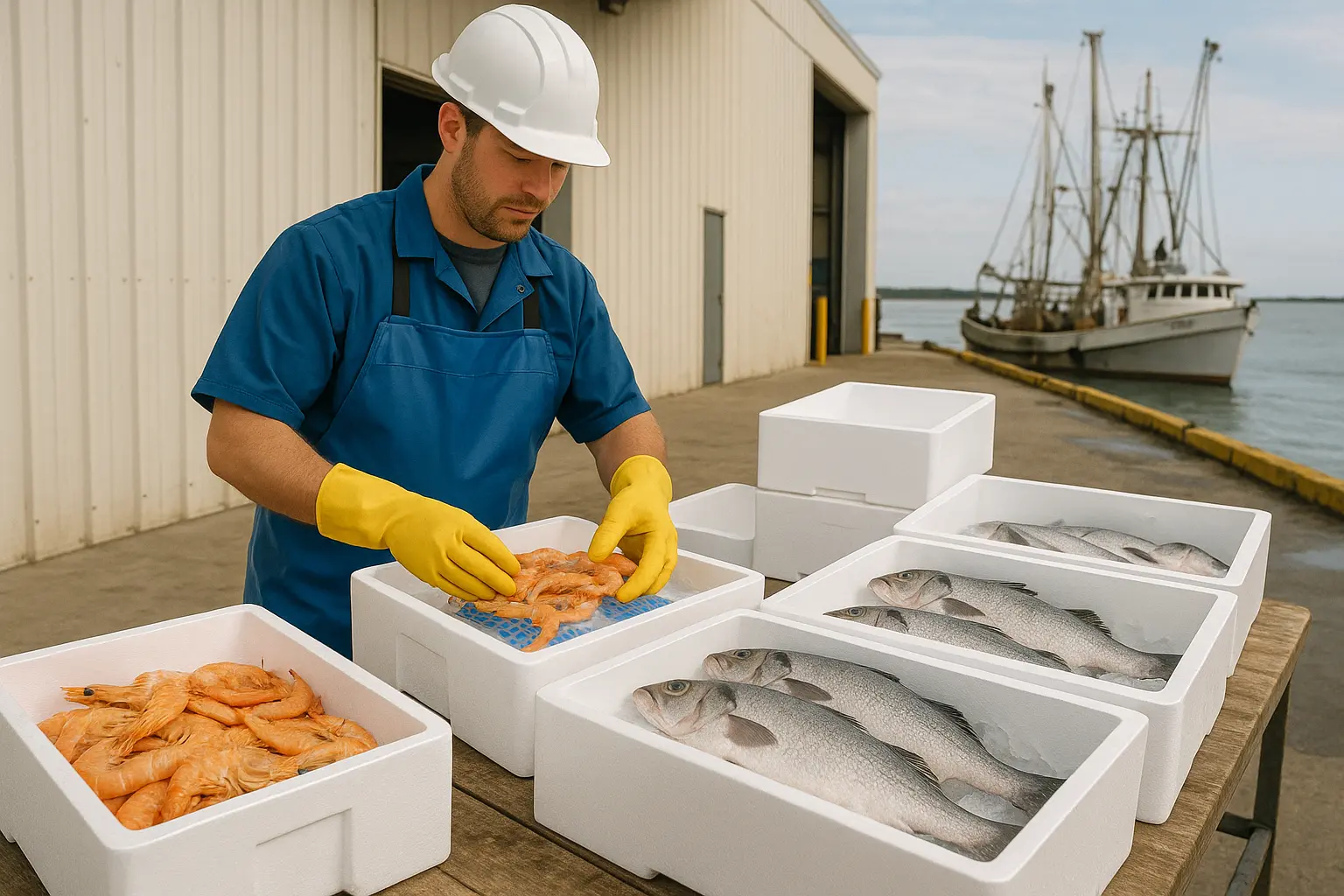
Seafood logistics begins long before a shipment reaches a trailer. Each product follows a multi-step route from the water to the market:
Fresh, frozen, and live seafood each require tailored packaging and temperature controls, making logistics design a critical factor in quality control.
The Science Behind Cold Chain Logistics
Maintaining a reliable cold chain is essential in seafood logistics in Canada and the USA, where long distances and multiple checkpoints are common.
Temperature requirements include:
Deviations can lead to bacterial contamination, texture degradation, and rejection at delivery. Real-time monitoring systems, insulated containers, and validated handling protocols all help maintain cold chain integrity.
Compliance and Cross-Border Coordination
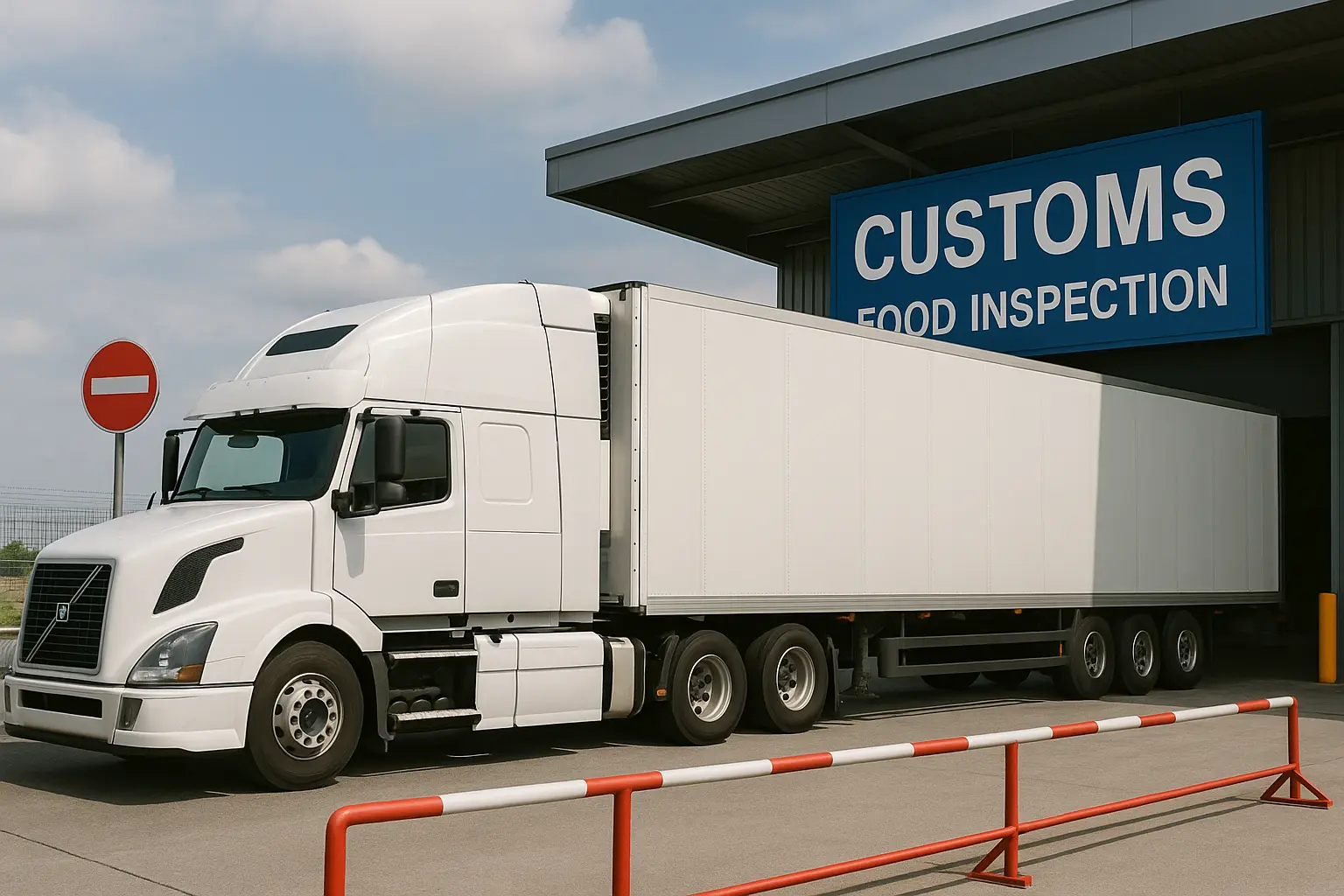
Seafood shippers face complex compliance obligations, especially across international borders. Logistics providers must be equipped to navigate:
Success in seafood logistics in Canada and the USA depends on regulatory knowledge and coordinating both across provincial, state, and federal jurisdictions.
Common Challenges in Seafood Transportation
Seafood shipments require specialized solutions to avoid spoilage or delivery delays.
Typical challenges include:
These factors require carrier expertise, technological support, and logistical precision.
How ET Motor Freight Supports Fresh and Frozen Seafood Shipments
ET Motor Freight is an asset-based freight carrier with certified capabilities for cross-border seafood transportation across Canada and the United States.
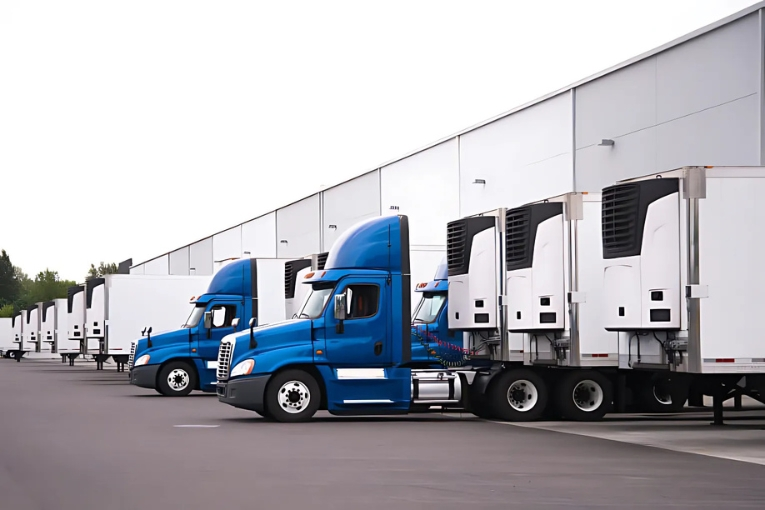
Service strengths include:
These features make ET Motor Freight a strong logistics partner for shippers who require compliance-ready, temperature-controlled transport solutions.
👉 Partner With ET Motor Freight for Fresh Seafood Logistics
Conclusion
Seafood logistics is a science of precision, balancing speed, temperature, and compliance to maintain freshness and food safety. From harvesting to delivery, every step of the cold chain must be executed with care.
For shippers moving seafood across Canada and the U.S., working with specialized carriers that understand food safety, cross-border compliance, and temperature control is essential. With advanced equipment and regulatory certifications, ET Motor Freight helps support reliable logistics solutions for the seafood industry.